All Categories
Featured

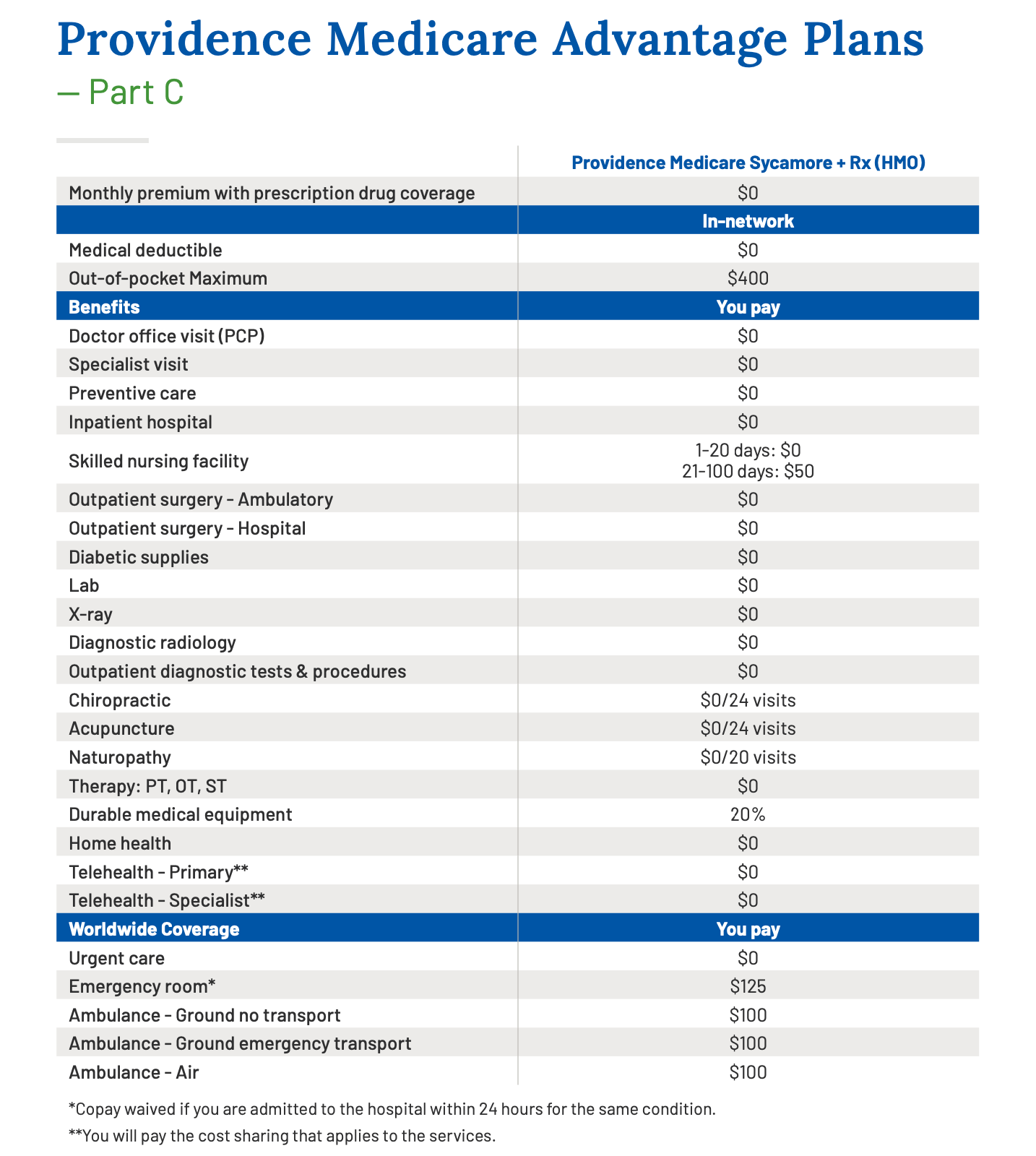
Strategies for Affordable Health Insurance
The death benefit is the amount of cash your recipient receives after you pass away. With IUL policies, the death benefit might be minimized by the quantity of any cash worth withdrawals or cash value loans you secured but didn't pay back. This death benefit is generally not taxable for your heirs. They both provide protection for life and include a death advantage and cash value component that grows with time. However whole life supplies more predictability due to the fact that the premiums and survivor benefit remain the same, and your money worth grows at a set rate that won't decrease. You may have lower premiums with less fees compared to an IUL, though you can't change
Medicare in Oceansidepremiums or control the cash worth investment. The flooring on the indexed portion of your money worth protects against market swings. And because the policy isn't directly bought the stock market, your risk is lowered. You have the alternative of changing your premiums and survivor benefit while the policy is in force. You can likewise assign your money worth to different sub-accounts and possibly choose where the indexed account invests. Your beneficiaries also get a death benefit that isn't normally based on income or estate taxes. You might withdraw or obtain from your money worth anytime without charge. IUL policies do not limit just how much you can contribute each year, allowing you to experience more growth if you wish to contribute more. Caps and maximum involvement rates restrict the amount of interest you can make in your indexed account. Your insurance coverage company does not directly buy stocks, so you will not gain from dividends paid to investors. Insurer charge costs for handling your account, which can eat into your money worth. If you withdraw money that includes investmentgains before your policy matures, you might require to pay income taxes on the funds. The cost of an indexed universal life insurance policy differs, depending upon factors like your age, where you live, your health and the protection quantity you choose. Usually, indexed universal life insurance policies cost more than term life insurance coverage due to the fact that they consist of a money worth account and never everend. According to one quote, a healthy, nonsmoking 34-year-old woman might pay in between$71 and $96 a month for an indexed universal life policy, presuming$250,000 of coverage. The same person may pay$32 to$44 a month for a term life policy and between $177 and$245 monthly for an entire life policy.
You may not require a life insurance coverage policy after you have actually paid off your debts and saved for your huge monetary goals, like retirement and your kid's college education. In these scenarios, a term life insurance coverage policy with a separate retirement fund and other cost savings lorries might offer what you need, and at a lower price tag. As soon as you have a couple of quotes, you must: Compare protection limitations, approximated month-to-month payments and administrative or management fees that come with each policy.
These are complex policies that might require some oversight, so it is necessary to deal with a monetary organizer or another licensed professional before selecting one. You may also compare IUL policies versus other types of life insurance to see what works best for your scenario. Depending on who you ask, indexed universal life (IUL) insurance coverage is either a powerful wealth-building method or an overly complicated insurance item that promises more than it provides. However, the reality might lie somewhere in the middle . An IUL is first and foremost a life insurance policy. Like other long-term life insurance products, it can provide lifelong coverage and build money worth over time. Rather of making a fixed rate of interest, it's tied to the efficiency of a stock exchange index, such as the S&P 500. Here's how indexed universal life insurance works, who it may be a great fit for, and what to know before buying a policy. Indexed universal life insurance coverage is a kind of long-term life insurance coverage that integrates a survivor benefit with a money value account. Unlike whole life insurance, which credits your cash worth at a fixed interest rate, an IUL ties your money value development to the performance of a market index, such as the S&P 500, the Dow Jones Industrial Average, or the Nasdaq Composite(thus the "indexed"part of the name). Every premium payment you make for a UIL policy is normally split three methods: As with all money worth life insurance, you may have the ability to obtain against your balance, withdraw funds, or perhaps utilize it to assist cover future premiums. Instead, the insurance coverage company uses the index as a standard to identify just how much interest to credit to the money worth portion of your policy. If the index performs well, your money worth might earn more interest. If the index has a bad year, your credited interest may be lower(in some cases even 0%), depending upon your policy's terms. If your policy credits the.
Reviewing Whole Life versus Term Benefits
full 10%, your money worth might make about $5,000 in interest before fees and policy charges. When you hear that an IUL's cash value is connected to the stock market, you might presume you'll earn whatever the marketplace makes. But that's hardly ever how it works. A cap is the maximum interest your policy can make during a crediting period. You can typically discover your cap in your policy illustration or files.

Expect your policy has a 10 %cap, and the market index gains 15%that year. Despite the fact that the index increased by 15 %, your policy would only be credited 10 % before costs and other policy charges. Numerous IUL policies have a 0 %flooring, meaning you won't lose cash value just due to the fact that the underlying market index has an unfavorable year. For instance, if the index falls 18%, your credited interest may be 0%rather of -18%. That said, a 0 %flooring protects you from market losses, not from policy expenses. A participation rate figures outjust how much of the index's gain is credited to your policy. If your policy has an 80 %participation rate and the index increases 10%, you would get 8%interest (80%of the index's gain), assuming no cap restricts the return. If the involvement rate is 100 %, you would earn the complete 10 %as long as it does not surpass the cap. Two policies tracking the very same marketindex can produce very various outcomes depending upon how these features are structured. Most indexed universal life policies let you select between two kinds of death advantages: Your beneficiaries get a fixed survivor benefit throughout the life of the policy. As your cash worth grows, it typically becomes part of that total survivor benefit instead of being paid in addition to it.

Latest Posts
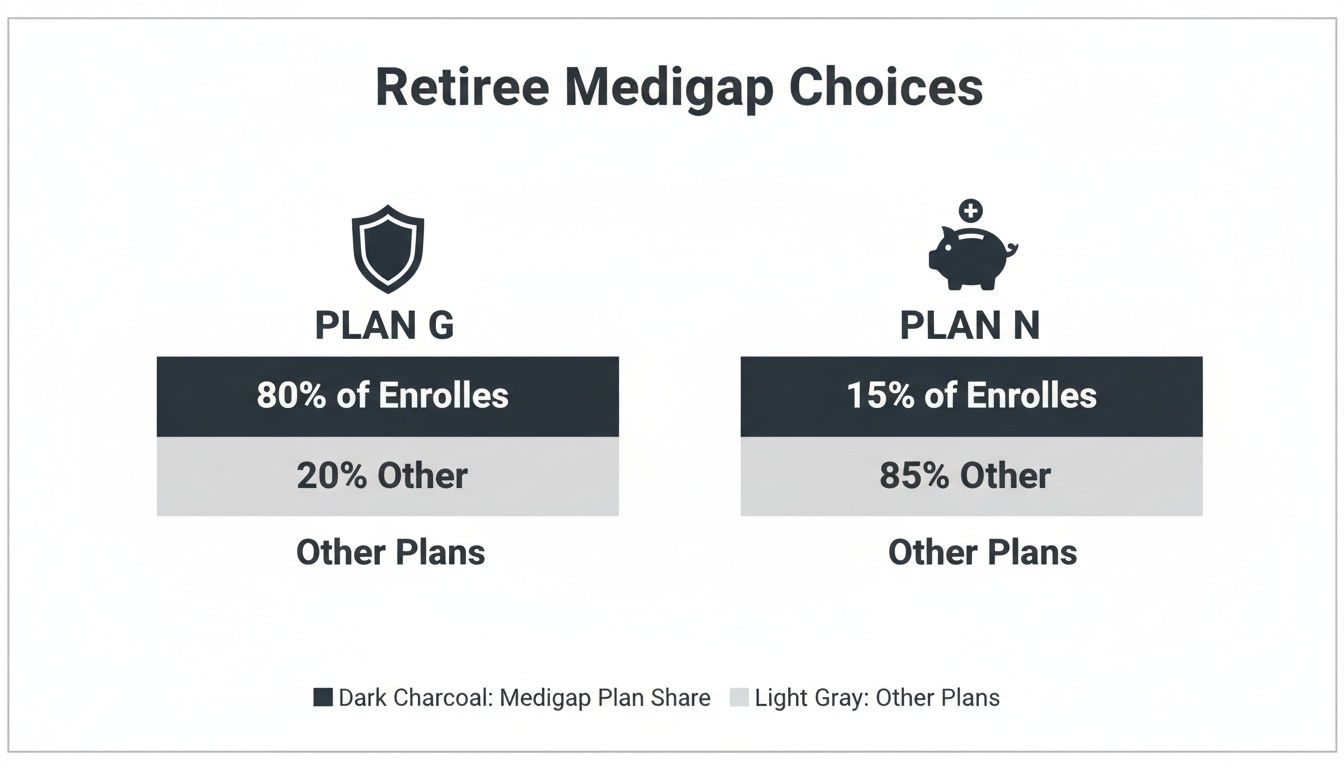
Reviewing Medigap Options for Optimal Coverage

The Comprehensive Guide on 2026 Medicare Options

Navigating 2026 Medicare Part D Enrollment